 Weather today
Iranian attacks in the Strait of Hormuz are at the highest levels since the conflict began. CNN

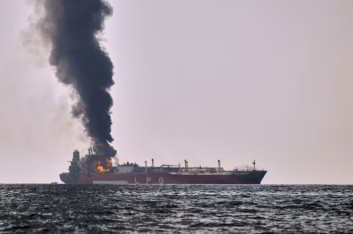
Reported attacks on shipping in and around the Strait of Hormuz are at the highest levels since the Iran war began, maritime data shows, as Tehran seeks to re-exert its control over the critical waterway amid falling oil prices.
In October, the number of attacks reported to the Royal Navy-affiliated United Kingdom Maritime Trade Operations Centre (UKMTO) exceeded 30 for the first time since the US-Iran war began in late February.
As of Sunday, at least 22 attacks were reported in November, the second highest figure since the war began, according to a CNN analysis of UKMTO data. The reporting area covers the Strait of Hormuz, the Persian Gulf and the Gulf of Oman.
The numbers from the UK maritime monitor are likely an undercount since the organization only reports incidents verified through primary sources. “Additional incidents are known but cannot be independently verified,” UKMTO said in its weekly overview published on Friday.
As attacks on ships in the strategic waterway have stepped up in recent months, many are believed to have switched off their commercial tracking devices to avoid detection. In a report released in mid October the organization said it was “struggling to accurately report true number of attacks with majority of vessels attacked refusing to report to UKMTO.”
Meanwhile, Iran’s military has claimed near-daily incidents involving commercial ships transiting through the strait, often attributing them to sea mines rather than drone or missile attacks.
Before October, the number of reported attacks in the region averaged around 10 per month. Numbers vary, but data from the International Maritime Organization also points to October as having the highest number of confirmed incidents so far this year.
Since the conflict began, the strait has become a heavily contested frontier, with attacks there disrupting oil and gas shipping and sparking global economic fallout.










 Studio One